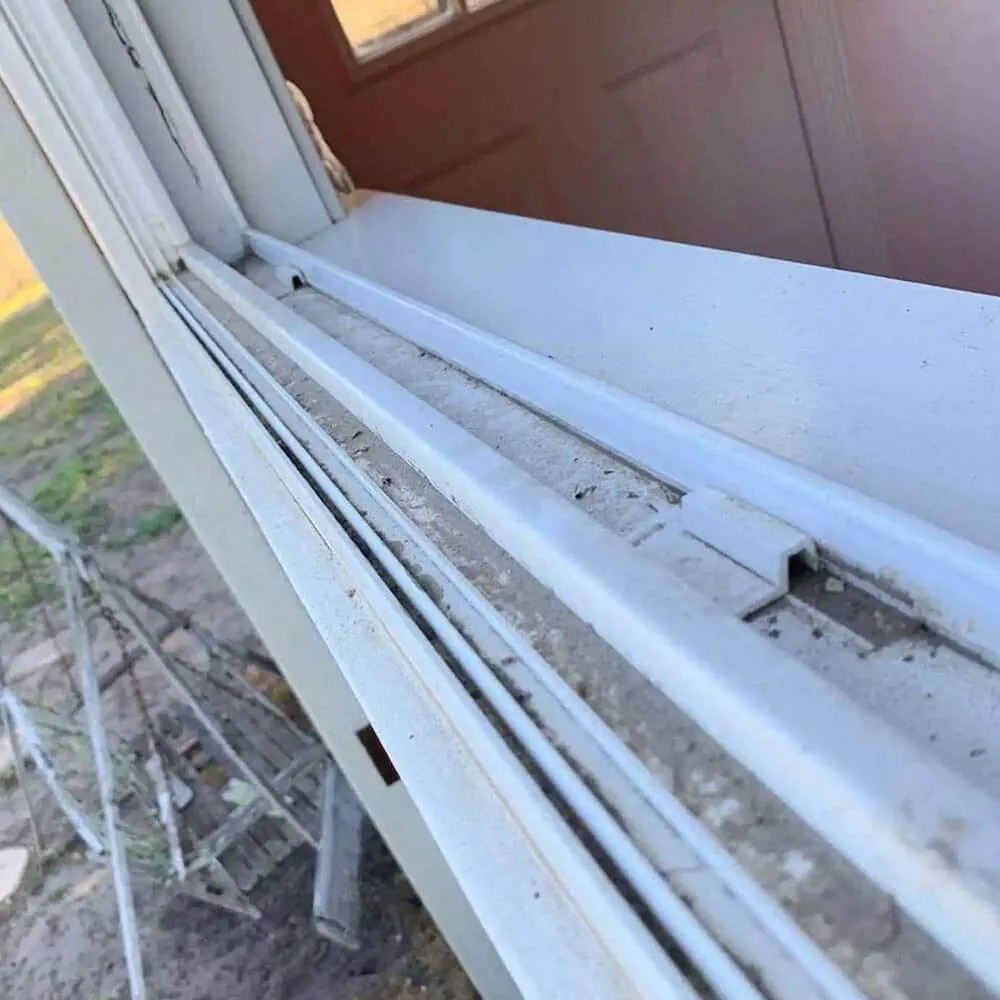
Black algae, green film, mildew and lichen
Mold and Algae Removal in San Luis Obispo County
Black algae, green film, mildew and lichen grow back in months when only the surface gets bleached, because the living part is down in the pores. Corey Byler treats the whole colony and then tells you what is keeping that wall damp, because that is what really decides how long it stays clean.
Mon to Sat, 7am to 6pm · License #17881 · Insured to $1,000,000
Get a fast quote, it takes about five seconds
None of it is dirt. It is alive, and it is growing
Which organism you have decides whether it lifts off or has to be killed.
Four different things get called mold out here, and they behave differently. The green film on a shaded stucco wall is usually a green algae, living on damp and on the dust stuck to it. The dark gray and black staining is a different alga, and the pigment is its own sunscreen. Mildew is a fungus, and it turns up as fuzzy spots on painted eaves and fence rails rather than as a flat film. Lichen is the gray green crust welded to north facing fence boards from Cayucos to Creston, a fungus and an alga living as one thing, and it is the hardest to remove.
There is a reason the north wall is always the worst. From October through March the sun sits low in the south, and a north elevation gets no direct light at all. Add a marine layer that holds in Cambria, Baywood-Los Osos and Morro Bay until mid morning and that wall stays damp most of the day. Salt makes it worse, because salt pulls moisture out of the air and holds it against the surface. Lace and knockdown stucco make it worse again: all that texture is surface area and shelter, which is exactly what a colony wants.
Inland the fuel is not fog, it is irrigation. A sprinkler head clipping the base of a wall in Paso Robles or Templeton soaks the bottom two feet every morning through a five month rainless summer. That is why inland growth starts at the ground and works up, while the coastal version starts high under the eaves and works down. Food arrives free either way: harvest dust off the vineyards each autumn, road film along the Highway 101 corridor, pollen and oak litter everywhere. And a dry summer kills none of it. It pauses it, which is why the same wall looks worse in February than it did in September.
How we get it off and keep it off longer
Same owner, same crew, same equipment, and nothing handed to a subcontractor at any point. Business License #17881, insured to $1,000,000, certificate on request. The low pressure washing method itself is covered on our soft washing page. What follows is the part specific to killing something that is alive.
We work out what is actually growing
Green algae, black algae, mildew, moss and lichen all read as a dark patch from the driveway and none of them behave alike. Lichen grips into the surface and needs far longer than a green film does. We look at it close up, and we test a small patch before committing to a whole elevation.
We find the water that is feeding it
Growth is a symptom of something staying wet. A sprinkler head clipping the stucco, a downspout dumping at the same corner, a gutter run that overflows every winter, a shrub grown tight against the wall. We walk it and tell you what we find, because that is what decides how soon it returns.
Treated to kill, not to bleach
A stain can be lightened without the organism being touched at all, which is why growth reappears within a season looking like nothing was ever done. The treatment has to reach what is rooted in the pores of the stucco or the grain of the wood. That is a question of the right solution and enough time on the surface, not of scrubbing harder.
Lichen and moss are killed, then left to release
Lichen does not rinse off, it lets go. Once the organism is dead the holdfast loses its grip and the crust comes away over the following weeks with wind and weather, so a treated fence or garden wall keeps improving after we leave. Scraping it off wet takes the paint or the top of the wood with it.
You get the honest version, then we walk it with you
On weathered wood, chalked paint or unsealed concrete, a heavy colony can leave a ghost behind after it is dead, and you hear that before we start rather than after. Every job ends with a walk around with you, and anything you are not happy with gets put right there and then.
What is included
- Identification of what is actually growing: green algae, black algae, mildew, moss or lichen
- Treatment aimed at the living colony down in the pores, not just at the color of the stain
- Shaded north and east elevations, sheltered corners and the shade side of fencing worked first and hardest
- Lichen and moss killed and left to release, so the surface keeps clearing for weeks after we leave
- The damp band along the bottom two feet of the wall, where sprinkler overspray keeps it wet all summer
- An irrigation, drainage and shade walk: heads throwing on the wall, downspouts, overflowing runs and planting grown tight against the stucco
- A straight answer on whether the stain will fully clear or whether the surface underneath is already marked
- A walk around with you before we pack up
What we do not do
Worth saying plainly, so nobody is waiting on something we were never going to do.
- Indoor mold. Anything inside a wall cavity, a crawlspace or an attic is remediation work with its own testing and its own licensing. We work on the outside of the building.
- Roof algae, moss and lichen. Same organisms, completely different access and different risk, so the roof is quoted as its own job. See roof cleaning.
- Painting, sealing, staining or replacing wood. We kill what is growing and tell you what it has been sitting on. Somebody else does the repair.
- Irrigation and gutter repair. We will show you the head soaking your wall and the run that overflows every winter. Moving a sprinkler is a landscaper's job, and clearing gutters out is its own service.
Real reviews, real Central Coast addresses
The light literally shines brighter
Every word below is lifted straight from Corey's Google profile. Nothing written by us, nothing tidied up.
What mold and algae removal costs around here
Around the Central Coast a targeted mold and algae treatment usually runs somewhere in the region of $0.20 to $0.50 per square foot of affected surface, and a small standalone job, one shaded elevation or a run of fencing, commonly carries a minimum in the $150 to $300 range. Heavy lichen normally sits above that because it takes longer. Those are regional ranges to set expectations, not our quote. Call Corey Byler on (805) 952-5718 with an address and you get a real number instead of a guess.
Which organism it is
A green film off one foggy season releases easily. Lichen gripped into a north facing fence board or a stucco wall takes longer, sometimes needs a second application, and occasionally needs a return visit once it has died back.
How long it has been left
A colony in its first year is thin and sits near the surface. Ten years of growth on a shaded Cambria or Los Osos wall is deep in the pores and has to be killed all the way down before anything looks different.
How much of the property has it
One north elevation is a small job. Every shaded wall plus the fence line, the garden wall and the shady side of the patio is four jobs, and it gets priced as the area it actually covers.
What it is growing on
Smooth painted siding gives growth very little to hold. Lace and knockdown stucco, rough sawn redwood fencing and unsealed concrete all hold it down in the texture and take more work to clear.
Whether the cause can be fixed
A wall that will keep getting soaked comes back sooner, and we say so. Sometimes the cheapest thing you can do is move a sprinkler head or cut a shrub back a foot before we treat anything.
Access and what is planted against it
The shaded side is usually the side with the mature planting, the narrow side yard and the fence you have to reach over. Hillside lots around San Luis Obispo and Avila Beach add to that again.
No obligation, no pressure, no call center
We Guarantee 100% Satisfaction
Every job finishes the same way: a walk around with you before we pack up, so anything you are not happy with gets put right there and then. Corey Byler is the one doing that walk around. Business License #17881, insured to $1,000,000, and no part of the job handed to somebody else.
Mold and Algae Removal questions we get asked
What is the green and black growth on the outside of my house?
Why does mold and algae grow back a few months after the wall is cleaned?
Why is the north side of my house always the worst for mold and algae?
How long should mold and algae removal last on the Central Coast?
Can I just spray bleach on it myself?
Is the black growth on my exterior wall toxic mold?
Service area
One truck, the whole county
From the fog line in Cambria down to Santa Maria and inland through Paso and Creston. If you are on this list we get out to you. If you are just off it, call anyway and we will tell you straight.
Often booked with this
Ready to see what your glass actually looks like?
Send an address and we will get you a real number. Residential or commercial, anywhere from Cambria to Santa Maria.
Monday to Saturday, 7:00 AM to 6:00 PM · Owner operated · Nothing subcontracted